

Techligious
We empower innovation through advanced application development, combining data science, mobile apps, low-code/no-code tools, and traditional methods to transcend limits and create harmonious solutions that revolutionize the industry.


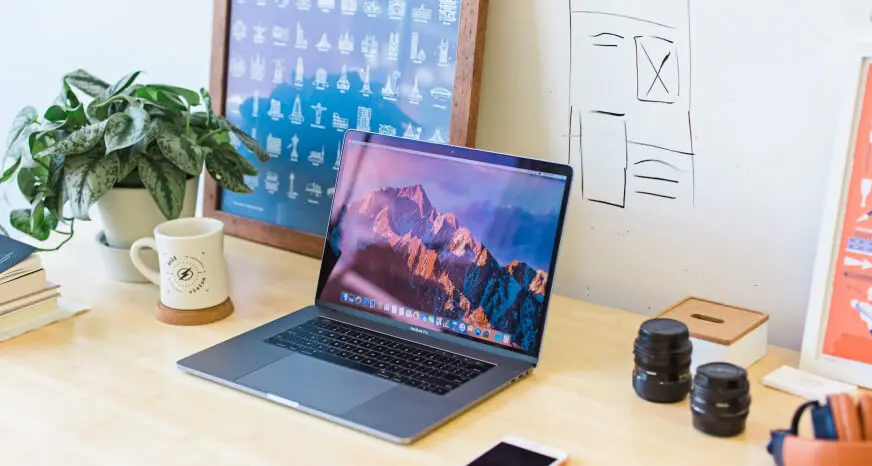
Mobile application development refers to the process of creating software applications specifically designed for mobile devices such as smartphones and tablets. It involves designing, developing, testing, and deploying mobile apps across various platforms, including iOS (Apple) and Android (Google). Mobile app development is driven by the increasing demand for mobile applications that provide convenience, engagement, and accessibility to users.
Mobile application development continues to evolve with advancements in technology and user expectations. By understanding user needs, leveraging the capabilities of mobile devices, and adopting best practices in UI/UX design and development, businesses can create impactful mobile apps that drive customer engagement and business success.

Mobile apps provide direct access to users, offering a personalized and engaging experience that fosters customer loyalty and retention.
Mobile apps enable users to access services and information anytime, anywhere, enhancing convenience and user satisfaction.
Having a mobile app can increase brand visibility, as users are constantly reminded of the app's presence on their mobile devices.
Mobile apps can serve as revenue streams through in-app purchases, subscriptions, or advertising opportunities.
Having a well-designed and functional mobile app can differentiate a business from competitors and attract a larger customer base.
Lorem ipsum dolor sit amet consectetur. Rutrum pretium pulvinar ut nec. Ac consequat blandit gravida turpis a risus pharetra amet molestie eget porta.
Entrepreneurs & small businesses. Managing 1 website.

Entrepreneurs & small businesses. Managing 1 website.
Entrepreneurs & small businesses. Managing 1 website.
Entrepreneurs & small businesses. Managing 1 website.
Entrepreneurs & small businesses. Managing 1 website.
Entrepreneurs & small businesses. Managing 1 website.


© Techligious is Proudly Owned by Techligious